Settled strips
Low soil beside a walk, patio, addition, or foundation edge can interrupt the original surface route.

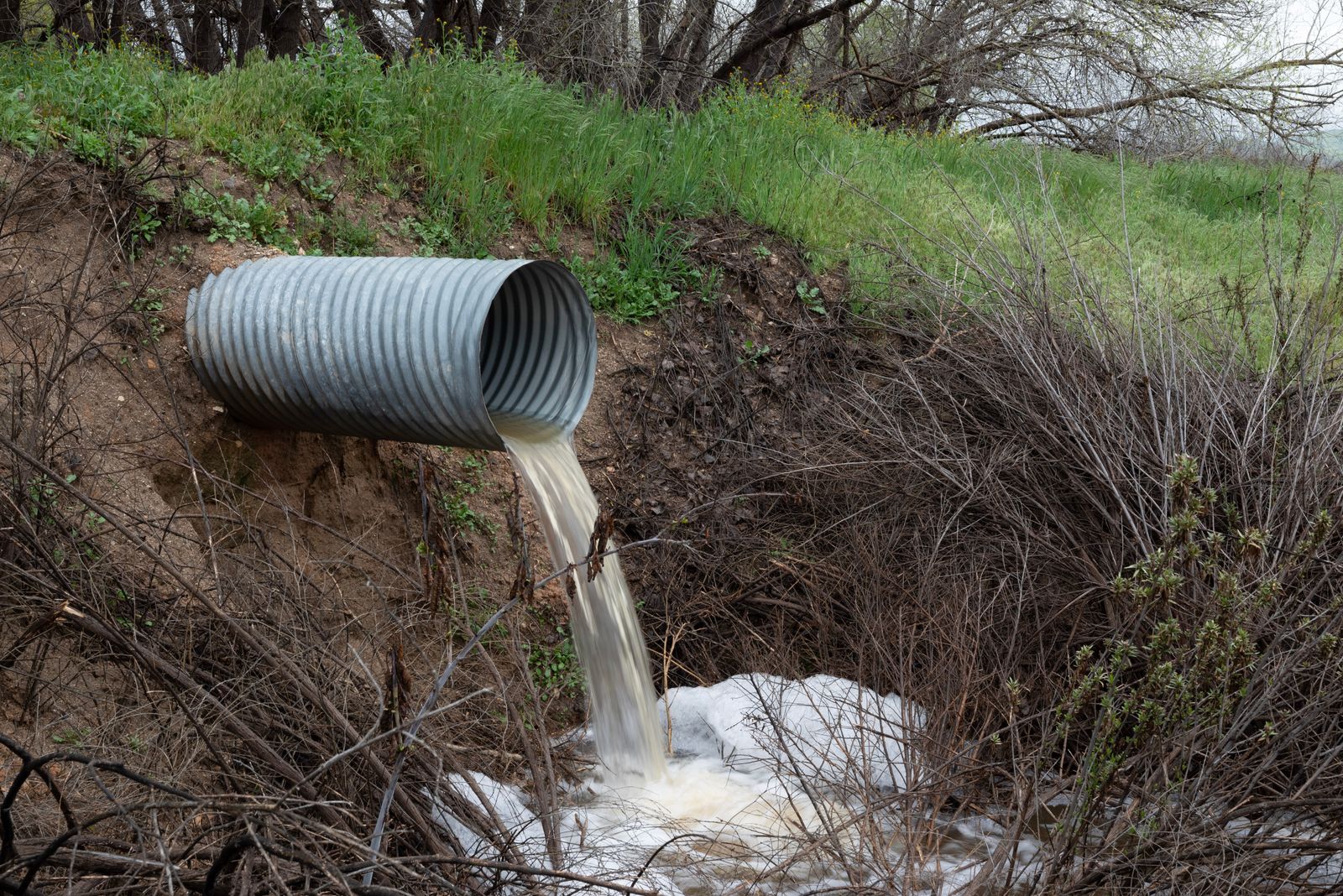
Reconnect high and low areas by reshaping soil, stabilizing the new contour, and planning the landscape repair together.
Regrading is not just adding dirt to a puddle.
A useful yard regrading plan compares the wet area with the surrounding elevations. It identifies the inflow, the surface path, and the next responsible destination. Soil may need to be moved across a wider area so the finished grade remains gradual, maintainable, and connected rather than forming another trapped pocket.
The first review includes the full address, visible water source, property boundaries, structures, access, and any existing grade changes. That context determines whether ordinary surface repair can be considered at all.
Low soil beside a walk, patio, addition, or foundation edge can interrupt the original surface route.
A yard that falls toward a structure or closed edge may need a broader grade correction, not a small patch.
Final soil, stabilization, turf or planting repair, and equipment access should be considered as one complete surface project.
A surface-grading project has to work during the next rain and remain practical afterward. The review therefore includes restoration, access, erosion control, and the proposed destination—not just the wet spot.
Record the source, high points, low points, hardscape transitions, property edges, and the direction water travels during a storm.
Compare regrading, a shallow swale, a low berm, or low-spot repair only when the visible surface and destination support it.
Plan final soil, erosion protection, turf or planting restoration, and maintenance so the new contour remains readable and usable.
French drains, grading, swales, and related private-property drainage can be considered. Curb cuts or penetrations, public right-of-way work, and municipal storm or sanitary connections are not offered.
Send the address, storm timing, and a description of the full water path. We will use that information to compare surface and subsurface landscape-drainage options.
Nothing is booked until you agree.