Source
Where does water first enter the area: roof edge, neighboring elevation, hardscape, or open yard?

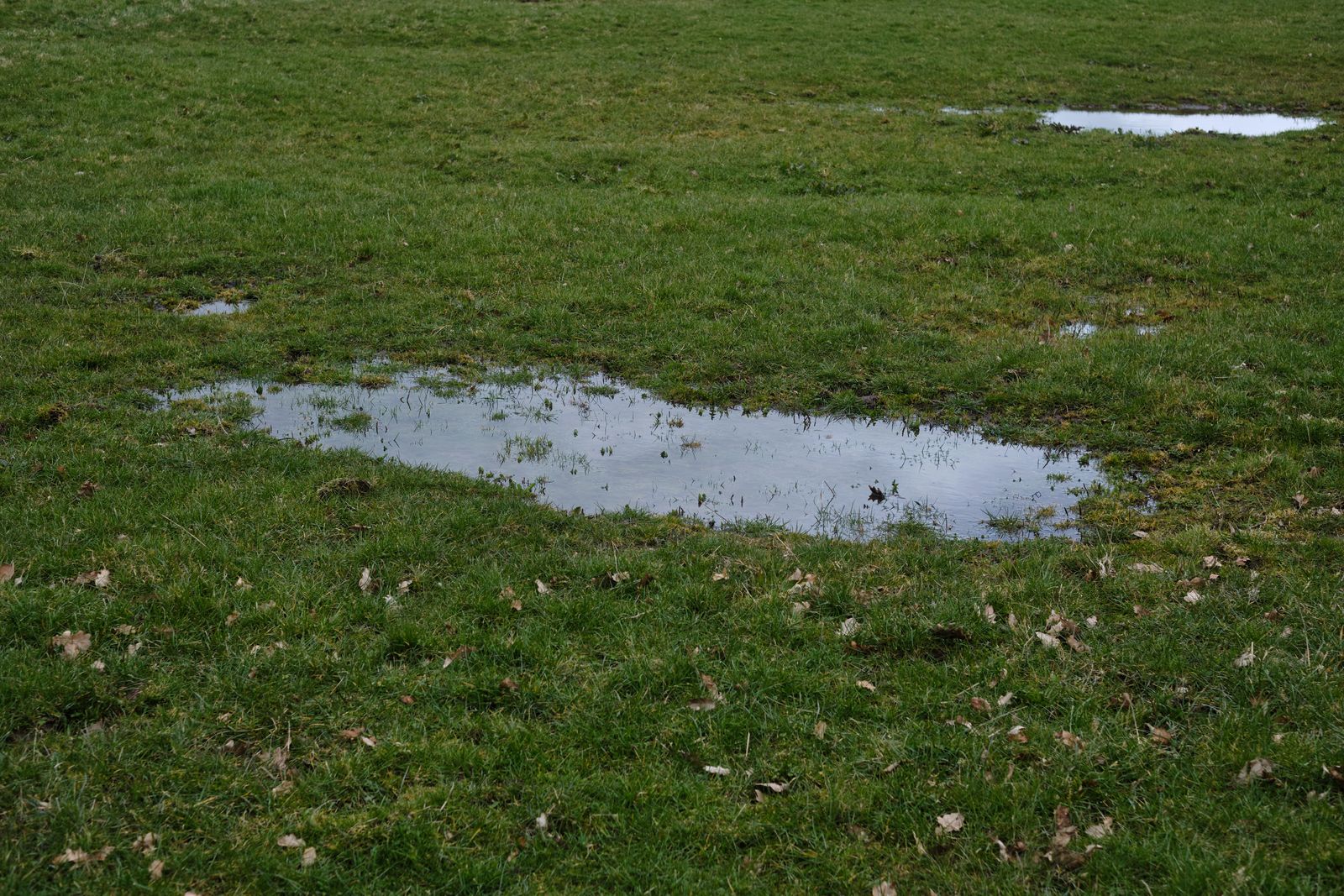
We trace where rain begins, where it stalls, and where it can finish—then compare a French drain, grading, or a broader landscape-drainage plan.
Standing water is the symptom. The useful work is understanding the source, soil, low point, structures, and outlet—then matching that path to grading, a swale, or a French drain instead of forcing one answer onto every yard.
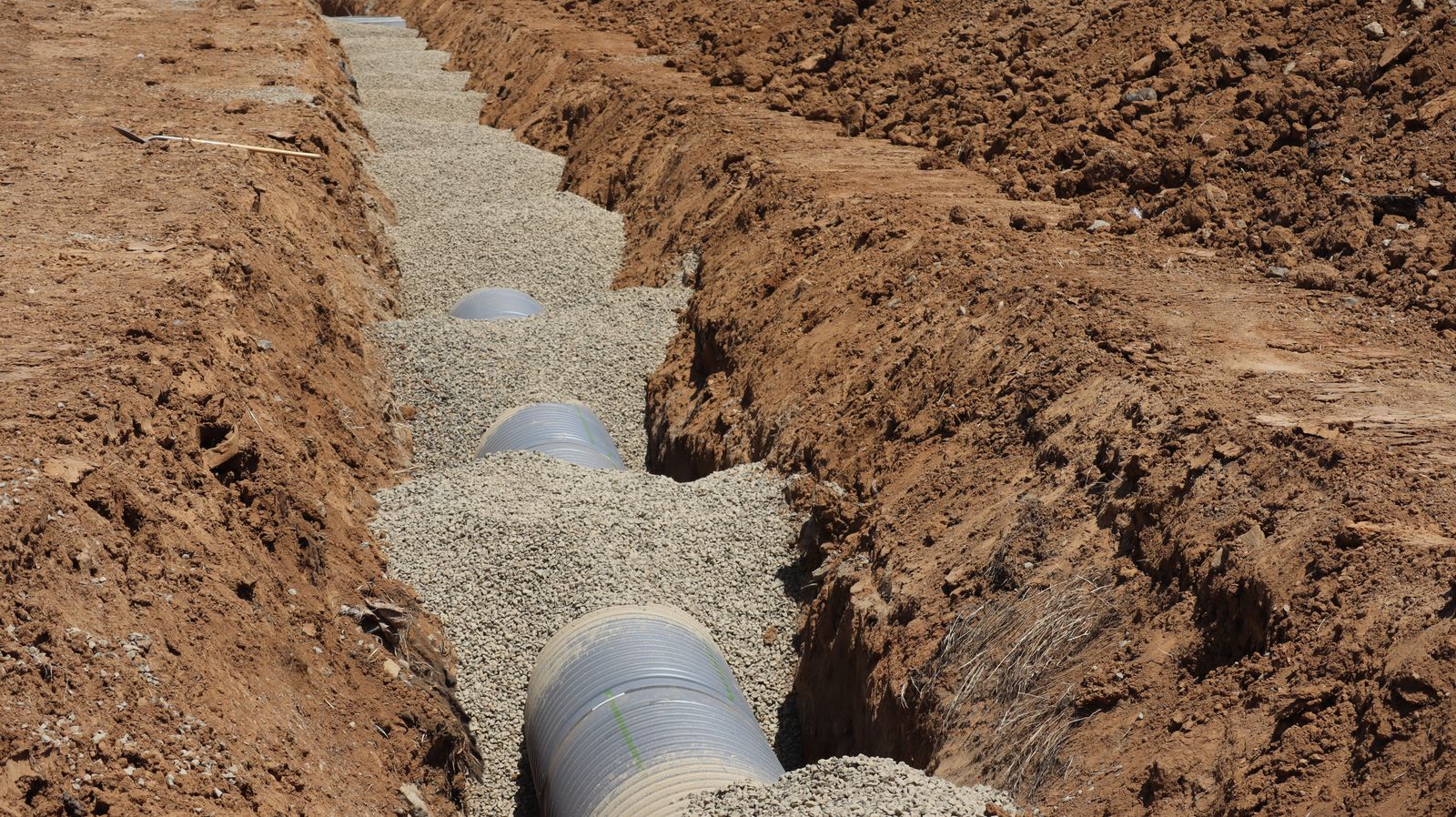
Intercept water through a gravel-lined landscape trench and route it to an authorized private-property outlet. The installation page has a water-path checklist you can copy into the address form.
Explore installation →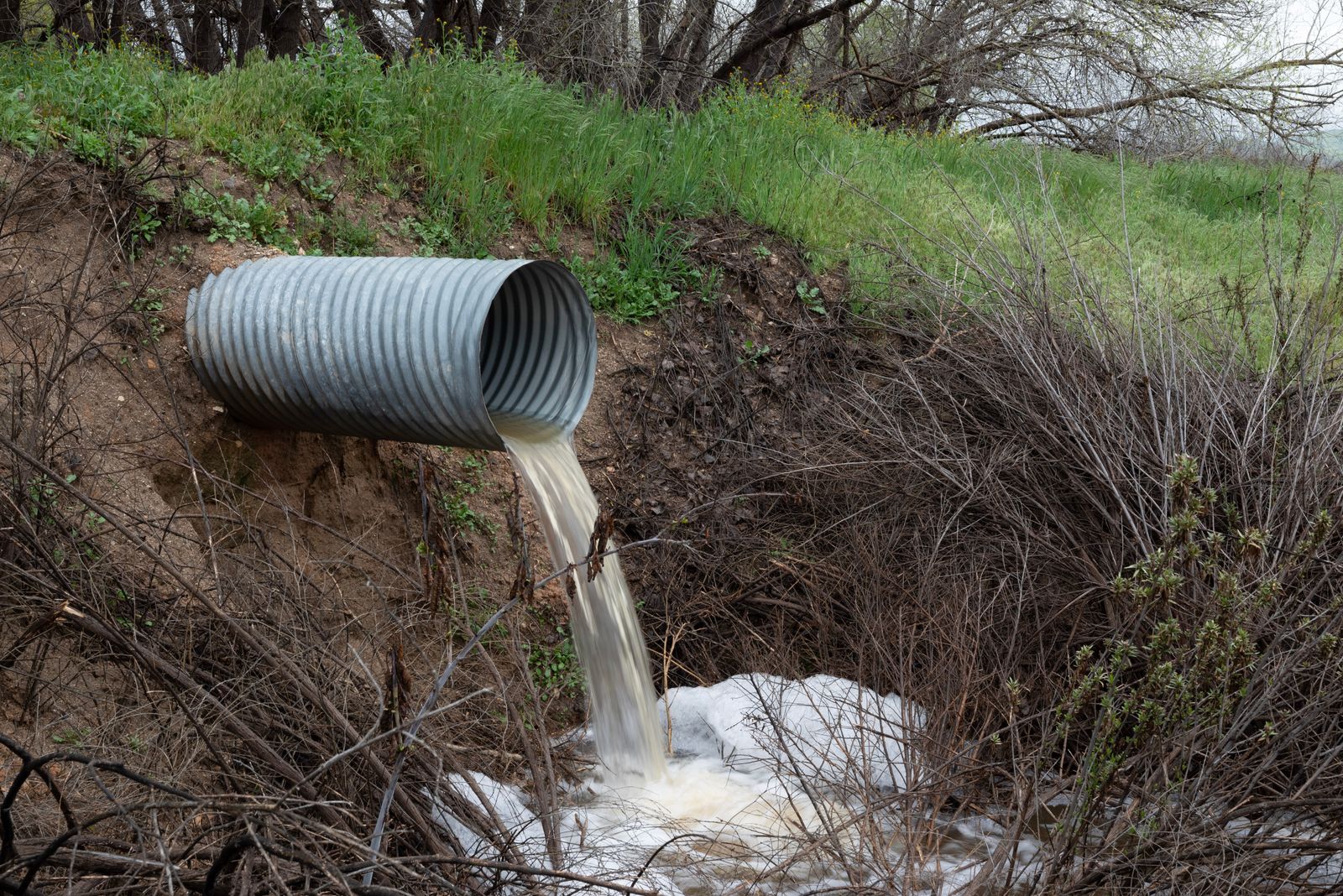
Reshape settled or improperly sloped ground so runoff can continue through a stable yard-water plan.
Explore the service →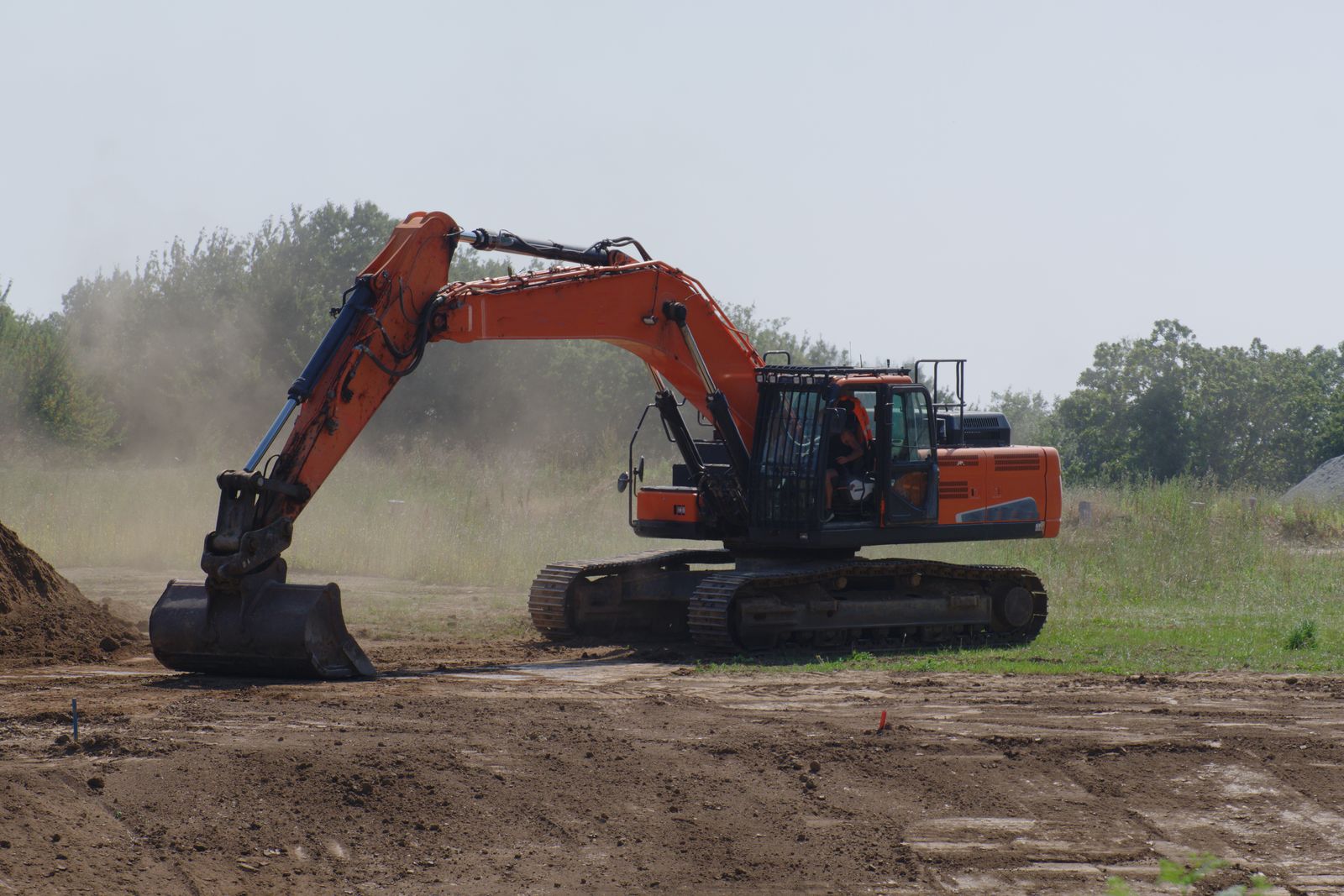
Create broad contours that guide or interrupt sheet flow while keeping the route visible and maintainable.
Explore the service →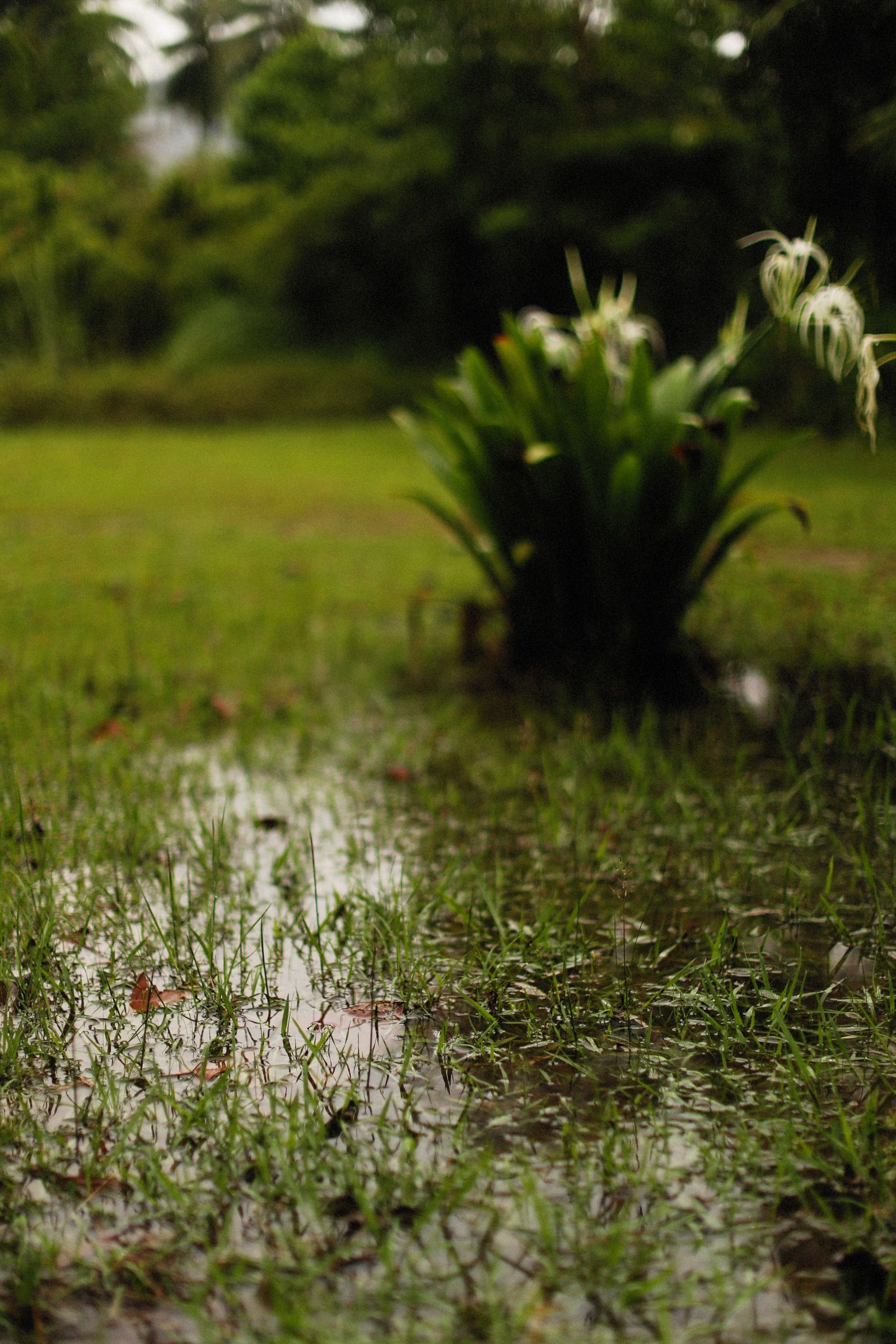
Compare the low spot, surrounding elevations, and outlet before choosing grading or subsurface drainage.
Explore the service →Correct the route, then plan appropriate stabilization.
Explore the service →The wettest spot is not always where the problem begins.
Roof runoff may cross a patio, slow beside a fence, and finally collect in the middle of the yard. Filling only the puddle can push water somewhere worse. A better review follows the whole visible route and checks whether a continuous surface path can be restored.
Describe what happens during rain and after it stops. Note how long water remains, which edges contain it, and whether the ground stays soft after the surface looks dry. Those observations make the first conversation about your property—not a generic drainage system.
Where does water first enter the area: roof edge, neighboring elevation, hardscape, or open yard?
Does it sheet broadly, follow a narrow strip, cross a walk, or stop behind edging and fences?
Is there a responsible lower surface that can receive runoff without shifting the nuisance elsewhere?
Watch a short clip of the work on this page. These are public Shorts from the OKC French Drain channel—then send the address if the water path looks like yours.
More clips on YouTube. Or call 405-529-9406.
No repair is promised from a city name or one puddle photo. The address, route, property edges, access, utilities, and outlet matter before a French drain or grading option is discussed.
Send the full address and a short description of the water path. Include the source, low point, timing, and anything already changed around the yard.
Broad surface flow may point to grading or a swale. Persistent soft soil or water moving through shallow ground may point to a French drain. Use the water-path checklist on the installation page before you send the address.
The proposed route stays on private property. We do not offer curb cutting, public right-of-way work, or municipal storm/sanitary connections.
Each city page opens on a local drainage pattern. Coverage still depends on the exact address—not the city name alone. For a Midwest City or Choctaw backyard that floods after rain, start on that city page. If you are still deciding shop versus Public Works, read the flooded-yard decoder. Searching OKC French drain installation near me? That guide starts from the street address.
Homeowner questions that come up with standing water, Oklahoma clay, and French drain vs grading—without a generic product pitch.
No. Describe where the water begins, how it moves, where it collects, and how long the area stays wet. Those details help separate a possible shallow subsurface-water issue from a surface-grading or low-spot issue.
This content is limited to responsible private-property drainage planning. Public right-of-way work, curb changes, and public storm or sanitary connections are outside this service scope and require the appropriate authority or specialist.
We do not publish a per-foot or project price on this site. Length, trench depth, Oklahoma clay digging, access, restoration, utilities, and whether grading or a swale is a better first step all change the conversation. Competitor pages often quote wide public ranges; those figures are not a quote for this yard.
Send the address and what happens when it rains. We compare a French drain with grading on this property. Nothing is booked until you agree. Call or text 405-529-9406.
Much of the Oklahoma City metro sits on dense clay that holds water and sheds it slowly. After a storm, a low spot or a side-yard strip can stay soft even when nearby turf looks dry. That can be surface water trapped by grade, or water moving through shallow soil.
Describe how long the ground stays wet, whether you see a puddle or only soft soil, and where water first appears. Those notes help separate a grading or standing-water conversation from a possible French drain route.
No. Standing water after rain is a symptom. Visible sheet flow, a settled low spot, or a blocked surface path often points to yard drainage and regrading first. A French drain is for intercepting water that moves through shallow soil when a responsible private-property outlet exists.
We do not cut curbs or connect to public storm or sanitary systems. Start with the water path, then we compare options for this address.
Call OKC French Drain at 405-529-9406. We handle private-yard French drains and yard drainage from the street address. Midwest City Public Works is for street and city drains, not a backyard French drain. Start on the Midwest City flooded-yard page, or send the address. Nothing is booked until you agree.
Call OKC French Drain at 405-529-9406. We handle private-yard French drains and yard drainage from the street address. Choctaw Public Works is for city streets and city drains, not a backyard French drain. Start on the Choctaw flooded-yard page, or send the address. Nothing is booked until you agree.
Bring the full property address, what happens during rain, how long water remains, and where the visible route goes. We will use those details to compare landscape-drainage options without promising a curb or public-system connection.
Form didn’t load? Call us at 405-529-9406.
Nothing is booked until you agree.
Start with OKC French drain installation near me, then read the cost guide for what changes scope.