Narrow side yards
A tight corridor needs enough width and fall for a maintainable surface route. Utilities, gates, and structures may limit what ordinary grading can accomplish.

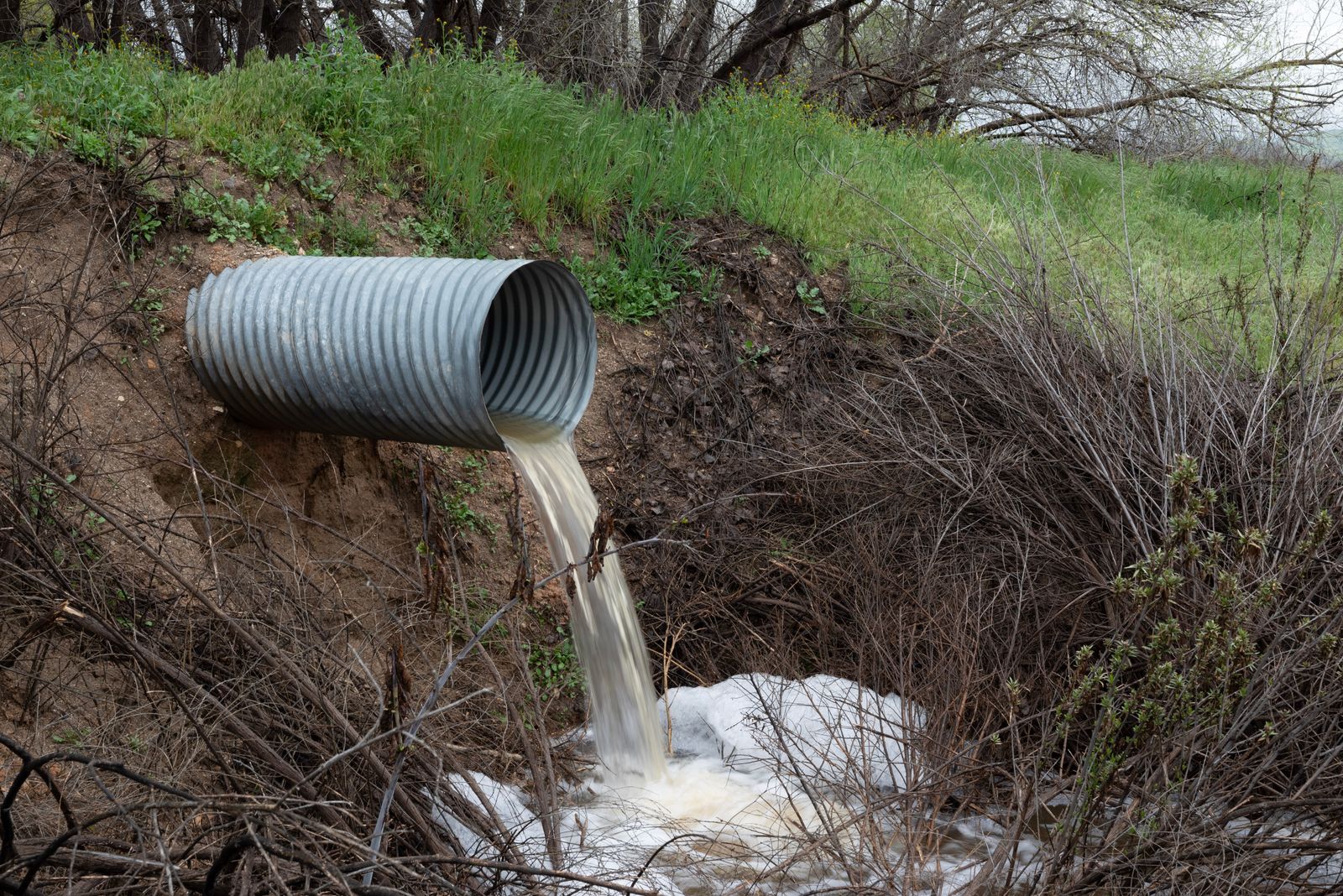
Make compact side yards and fence-line flow easier to read with precise surface shaping and a clear outlet.
On a compact Midwest City lot, a few inches of settled soil or a narrow obstruction can change the whole route. Side yards, garage corners, and fence lines leave less room to spread water out, so small details carry more weight. We begin with access, property edges, and the location of the next safe surface elevation.
A tight corridor needs enough width and fall for a maintainable surface route. Utilities, gates, and structures may limit what ordinary grading can accomplish.
Soil buildup and landscape edging can form a shallow dam. We identify whether reshaping the visible surface can reopen a responsible path.
Runoff can converge where hardscape meets the yard. The review follows that transition before proposing a berm, swale, or low-spot repair.
Yard regrading can reconnect settled or improperly sloped areas across a wider surface. A shallow swale can give broad runoff a visible path, while a French drain can intercept persistent shallow subsurface water and carry it toward an authorized private-property outlet. Standing-water correction may combine surface and subsurface planning when the surrounding grade supports it.
Every option remains property-specific. Oklahoma rain patterns do not replace an address review: structures, neighboring elevation, property edges, utilities, access, erosion risk, and landscape restoration all matter. Curb cuts, public right-of-way work, and municipal storm or sanitary connections are not offered.
For a useful first conversation, describe what happens during rain, how long the area stays wet, and the wider route from source to destination—including house, patio, walk, fence, and neighboring elevation.
A city page can organize the questions, but it cannot establish coverage, price, access, or the right repair. Those decisions begin with the actual property.
Identify roof runoff, hardscape flow, neighboring elevation, or open-yard sheet flow before focusing on the final wet spot.
Show fences, edging, walks, settled soil, patios, beds, and grade transitions that change how shallow water moves.
Confirm a lower surface that stays within the property plan and does not create a new nuisance at another edge.
Share the full street address, storm timing, and a description of the visible water path so the first follow-up can compare a French drain, grading, or another private-property landscape-drainage approach.
Nothing is booked until you agree.